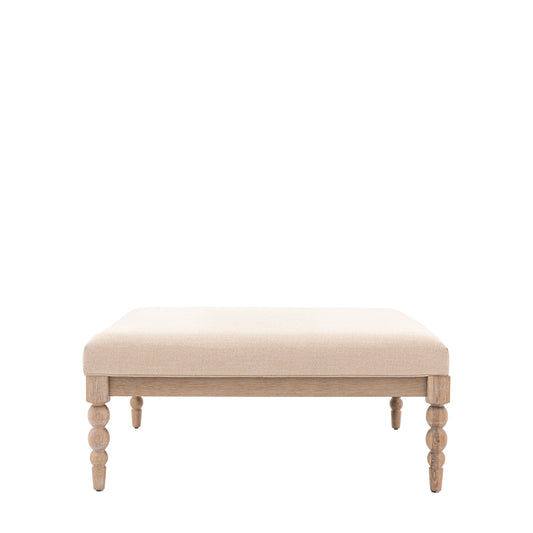

A coffee table sits at the centre of a living room more than almost any other piece, which is why shape, material, and storage all matter more here than they might on furniture pushed against a wall. Our coffee tables range spans round and square shapes, marble and oak finishes, and a wide run of designs with drawers built in for genuine everyday storage.
A round coffee table softens a room built around straight-edged sofas and rugs, giving no sharp corners to navigate around in a smaller space. This shape tends to suit a room where the seating already has plenty of straight lines, since the contrast between round and rectangular furniture reads as more considered than repeating the same shape throughout. A round coffee table with a leather or hair-on-hide surface adds texture on top of the shape itself, giving the piece presence even before anything is placed on it.
A marble coffee table brings a genuinely different material into the room compared to wood or glass alternatives, catching light differently and adding a cooler, more polished surface. This tends to work best as a true focal point rather than blending into the background, particularly in a white marble finish that reflects more light back into the room. Stone-topped designs in this range also include travertine surfaces paired with a contrasting wood base, giving a similar weight and presence to marble with a slightly different texture and tone.
An oak coffee table brings natural grain and warmth into a living room, suiting a space already built around wood flooring or other oak furniture rather than painted pieces. A wooden coffee table more broadly, whether in oak or another timber, tends to read as a more grounded, traditional choice compared to high gloss or stone alternatives, working well as a quieter piece that doesn't compete with a more detailed sofa or rug pattern nearby.
A white coffee table brings a lighter, more contemporary feel to a room, particularly in a high gloss finish that reflects light rather than absorbing it the way a darker wood surface would. This tends to suit smaller living rooms where a heavier, darker table could make the space feel more closed in, or a room already built around a predominantly light colour palette elsewhere.
A large coffee table works best paired with a correspondingly large sofa or sectional, since a table too small for the seating around it can look lost in the middle of the room. As a general guide, leave enough clearance around a large coffee table for people to walk past comfortably, and check the table's height sits roughly level with or slightly below your sofa's seat cushions for practical everyday use.
A coffee table with drawers does more work than a purely open design, giving somewhere to keep remote controls, coasters, or general living room clutter out of sight. Configurations across this range run from a single drawer through to two-drawer designs, so the choice comes down to how much you actually need to store rather than table size alone. This practical addition doesn't have to mean sacrificing style, since drawer-led designs appear across round, square, and oak finishes throughout the range.
Rather than choosing a coffee table in isolation, it's worth considering how the finish and shape will sit against your sofa, rug, and any nearby side or console tables already in the room. A gold-accented or high gloss piece can work as a deliberate contrast against plainer upholstery, while an oak or wood-based table tends to blend more naturally with existing wood tones elsewhere. If you're building a room from scratch rather than replacing a single piece, choosing the coffee table early can actually help guide decisions on rug colour and side table finish, since it typically sits at the visual centre of the whole seating arrangement.
Marble can absorb liquid spills if not wiped up quickly, so it needs slightly more prompt attention than a sealed wood surface, which tends to be more forgiving of everyday marks.
It can if the room lacks enough clearance around the seating area, so measure the available floor space before choosing based on the sofa size alone.
This depends on how much you actually need to store; a single drawer suits minimal clutter, while a two-drawer design gives more separated storage for varied items.
Yes, the rounded shape can soften the visual weight of a large sectional, though check the table's diameter against the sofa's seating depth to ensure proportions feel balanced.
High gloss surfaces do show fingerprints and light marks more readily than a matt finish, so regular wiping helps keep the surface looking clean between deeper cleans.